
Rila Monastery
A UNESCO World Heritage site, and the spiritual centre of the country for a thousand years.
- Mountain
- Rila
- Elevation
- 1,147 m
- Time
- 2-3 hours
- Difficulty
- Easy
- Coordinates
- 42.13330, 23.34000
About this place
Founded in the 10th century around the cell of Ivan Rilski, the country's patron saint, the monastery survived Ottoman rule, fire and the twentieth century largely intact. What you see today is mostly the 1830s rebuild, and it is extraordinary: black and white striped arcades stacked four storeys around a courtyard, with the Hrelyo Tower of 1335 surviving from the medieval complex at its centre.
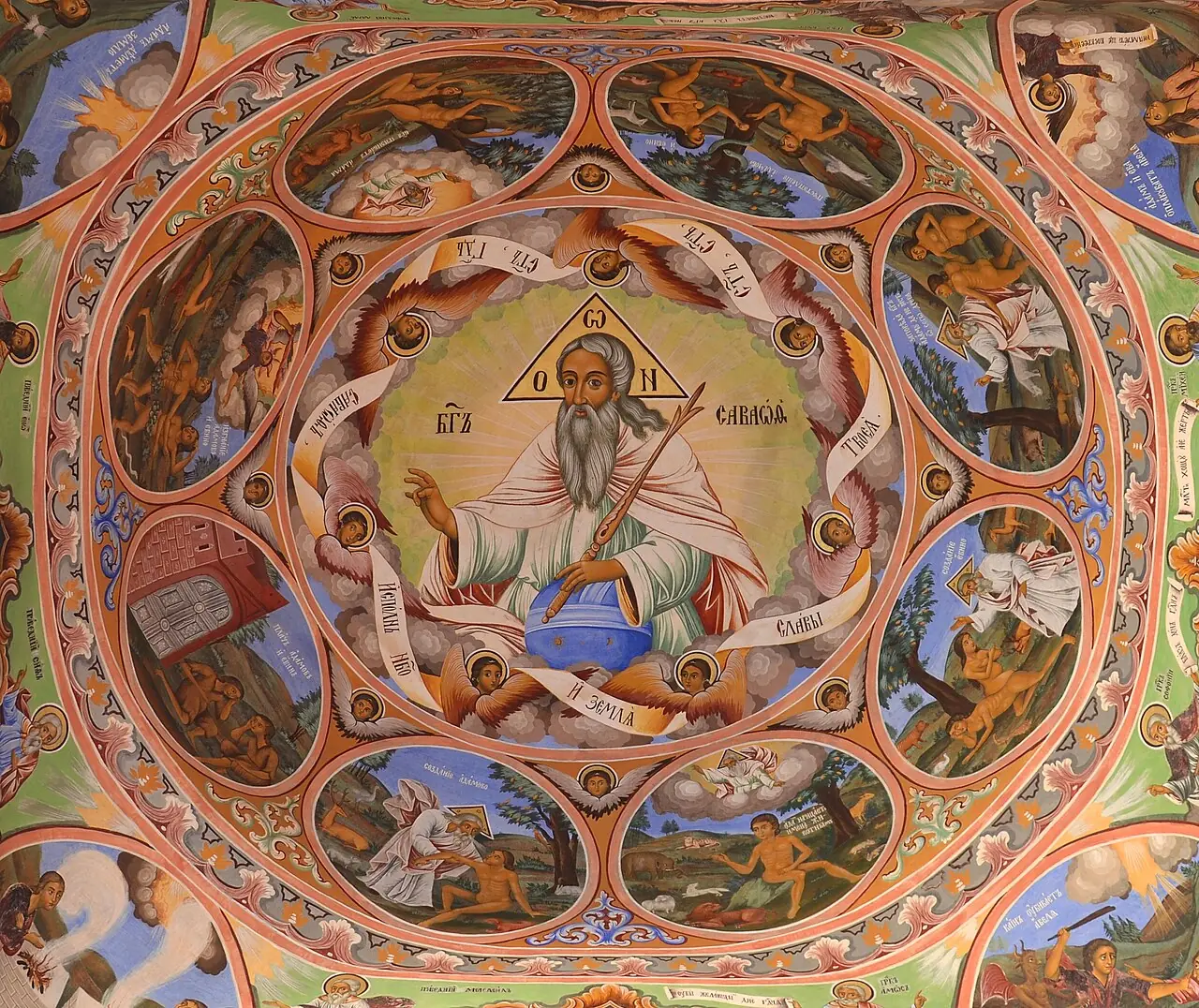
The frescoes in the main church were painted in the 1840s, some by Zahari Zograf, and they are worth more time than most visitors give them. The museum holds Rafail's Cross, a wooden crucifix carved with around 140 biblical scenes and more than 600 figures — the monk who made it worked for twelve years and went blind finishing it.
It sits at 1,147 metres in a forested valley, and it pairs naturally with a walk. The path up to Saint Ivan's cave and grave, where he lived as a hermit, takes about an hour each way and takes you out of the crowds almost immediately.
When to go
At its best in April, May, June, September and October.
The Seven Lakes are usually walkable from early May. Musala is a summer objective, roughly late June to early October — north-facing gullies hold snow into July and people underestimate them every single year. Huts run a full service in July and August.
Getting there
Borovets is about 70 km from Sofia and the gondola takes you to Yastrebets at 2,369 m, which removes most of the climb to Musala. Panichishte, for the Seven Lakes, is roughly two hours by car. Govedartsi and Malyovitsa are the quieter way in.
Water
Plentiful. Rila is the source of the Iskar, Maritsa and Mesta, and there are springs at most huts. Take water from running sources above the huts rather than from the lakes.
What to watch out for
- Afternoon thunderstorms build over the massif on most summer days. Be off the summit ridge and descending by early afternoon — lightning on open ground is the real danger here, not the climb.
- Musala makes its own weather. Cloud can drop onto the summit in minutes and the marked route becomes hard to follow in whiteout.
Weather at this elevation
Weather at this elevation
Reading the forecast