Know the mountain before you walk into it.
Thirty-five thousand kilometres of marked trail. Four hundred huts and shelters. Three national parks. One map built to keep working after the signal stops.
- Hiking mapTrails, huts, peaks and springs on one map
- All placesHuts, peaks, viewpoints and places to stay
- Best hikes in BulgariaSeven Rila Lakes, Musala, Vihren and more
- Where to hike in SeptemberThe mountains in season right now
- MountainsRila, Pirin, the Rhodopes and seven more
- Things to know before you goEmergency numbers, huts, camping and park rules
The ground we cover
- of marked trail
- 35,000km
- huts and shelters
- 400+
- national parks
- 3
Start with these
Eight places worth the journey, each with what it asks of you and the month it is at its best.
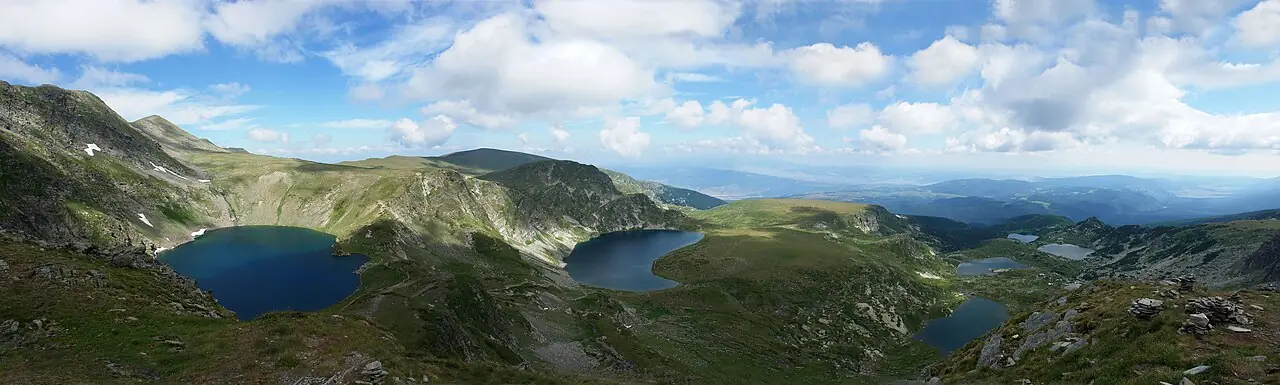
The Seven Rila Lakes
Seven glacial lakes stacked up a cirque, and the most photographed landscape in the country.
3-5 hours · Easy · 2,500m
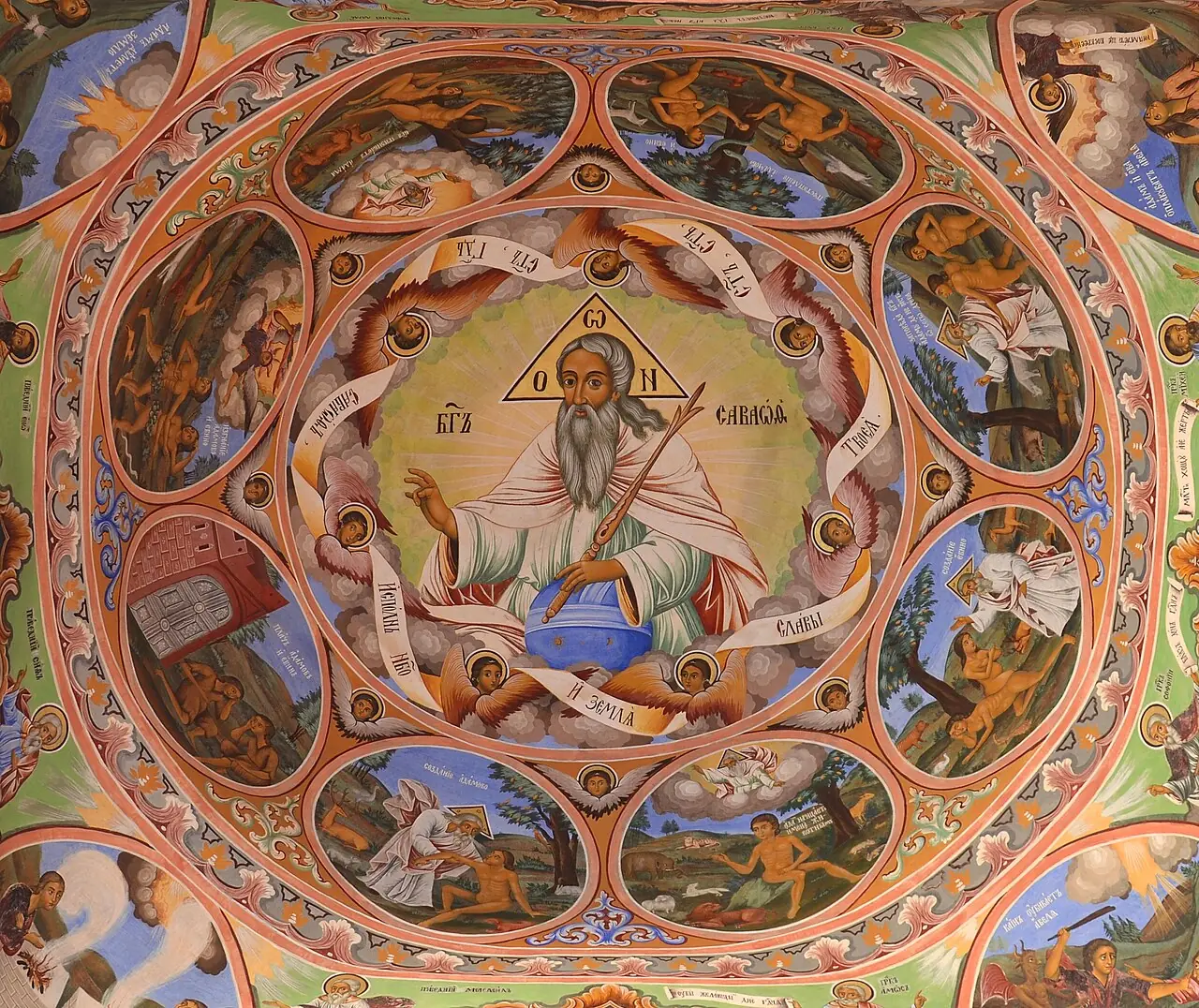
Rila Monastery
A UNESCO World Heritage site, and the spiritual centre of the country for a thousand years.
2-3 hours · Easy · 1,147m
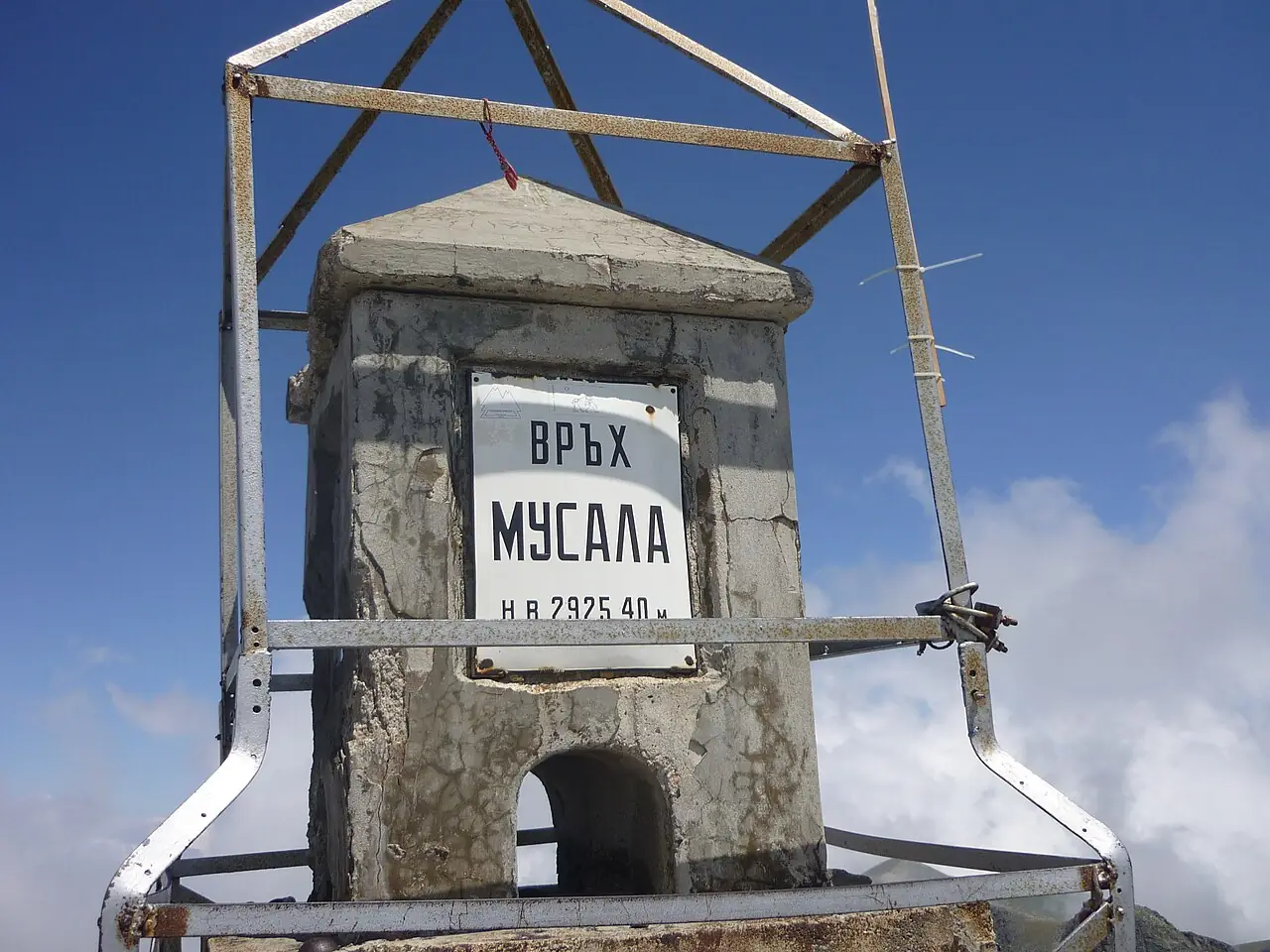
Musala
The highest point in the Balkans, and higher than anything in Greece outside Olympus.
5-6 hours · Moderate · 2,925m
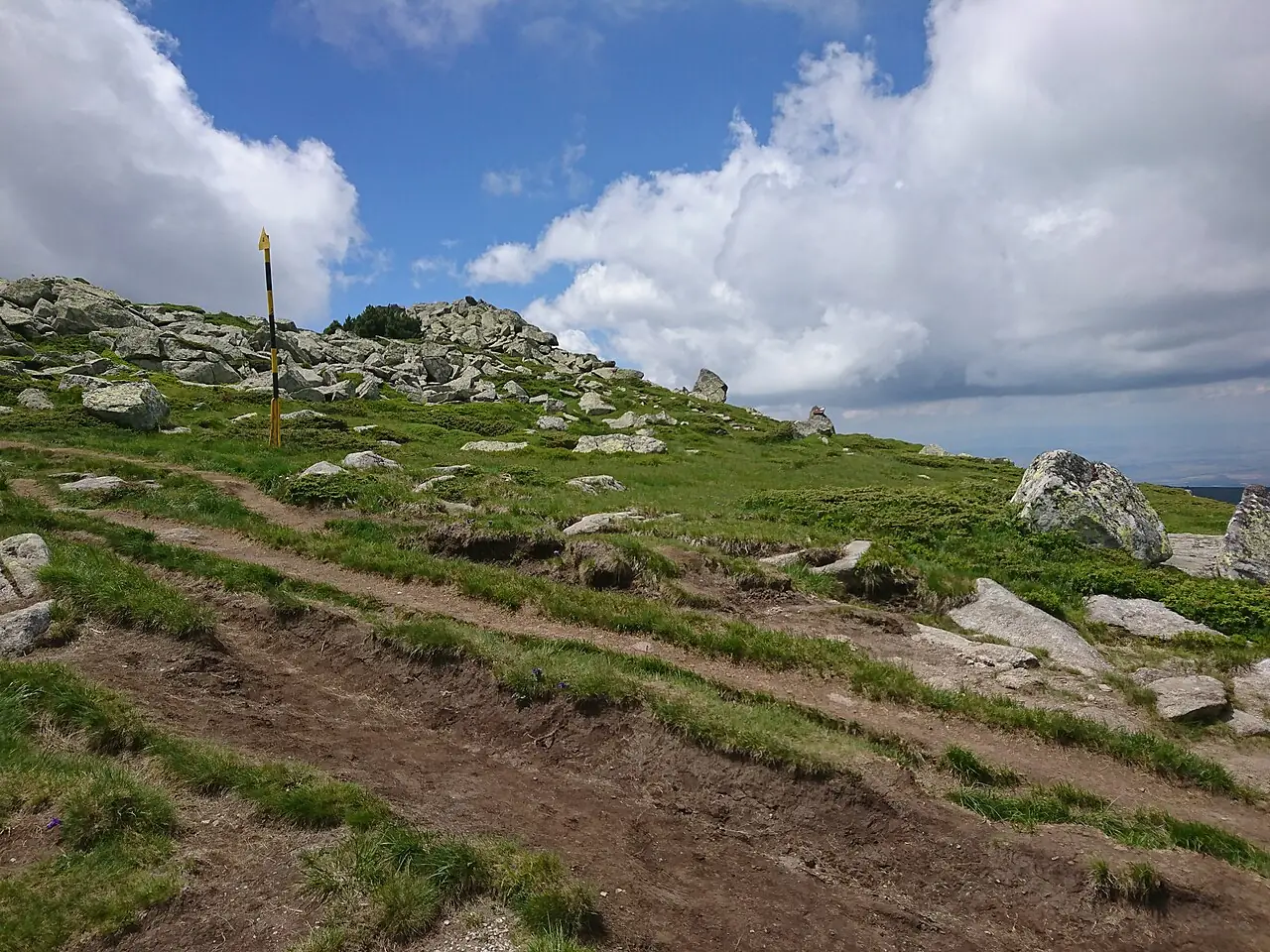
Cherni Vrah and the stone rivers
A 2,290-metre summit you can reach by city bus, above unique periglacial boulder fields.
2-3 hours · Easy · 2,290m
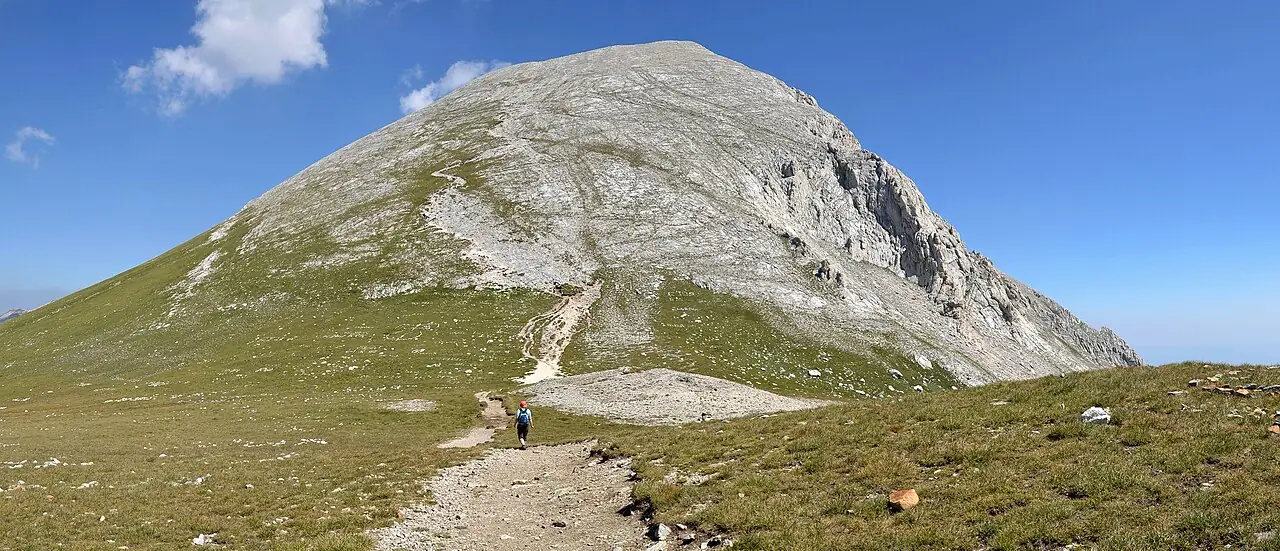
Vihren
Marble, and the most serious mainstream summit in Bulgaria.
5-6 hours · Hard · 2,914m
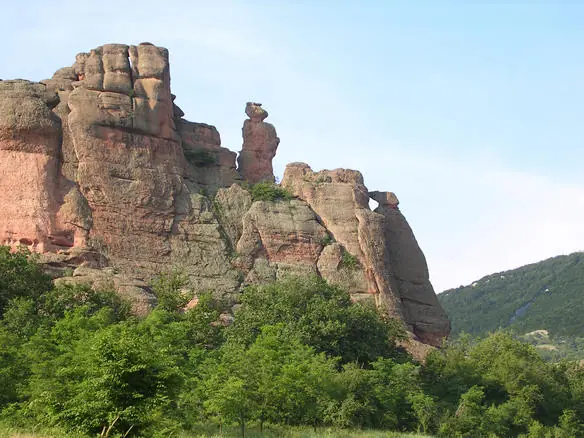
Belogradchik Rocks
Red sandstone towers up to 200 metres tall, with a fortress built straight into them.
2-4 hours · Easy · 800m
Walkable this month
Bulgaria's hiking season has shifted — snow now clears two to three weeks earlier than the long-run averages. These are the ranges at their best right now.
RilaBest
Seven Lakes usually walkable from early May. Musala is a late-June to early-October objective; north gullies hold snow into July.
PirinBest
The shortest window in the country. Snow lingers in the north cirques into July, and on marble that is a slip hazard, not an inconvenience.
Stara PlaninaBest
The Kom to Emine traverse is normally walked from late June. The high central ridge in winter is a full mountaineering undertaking.
RhodopesBest
The most year-round range in Bulgaria. Forest cover shelters you, and the gorges stay walkable in almost every month.
VitoshaBest
Lower paths go all year with basic traction. Cherni Vrah in winter is a real summit with real wind chill, city bus or not.
OsogovoBest
Grassy ridges hold snow later than their height suggests, and there is nowhere to shelter once you are on the crest.
Sredna GoraBest
Low, forested and forgiving in almost any month. The right place to build hours before committing to the high ranges.
SlavyankaWalkable
Avoid high summer: the far south gets genuinely hot and there is no water on the mountain. Late spring and October are the sensible windows.
BelasitsaWalkable
The shoulder-season range. Excellent in March to May and October to November, when Rila and Pirin are shut or closing.
StrandzhaWalkable
The winter range. A mild coastal climate keeps it open when everything else is under snow; high summer is hot and better spent at the coast.
Things worth knowing before you go
Eat little and often
Roughly 40 to 60 grams of carbohydrate an hour is the range endurance athletes work to, and it holds for a long mountain day. That is about one cereal bar or a banana every hour, starting in the first hour rather than when you feel empty.
Real food beats gels here
Bulgarian huts sell bob chorba, banitsa and lukanka for a fraction of what imported energy products cost, and they sit better over eight hours. Carry gels only for the last climb.
Half a litre an hour in summer
On a hot August day above the treeline, closer to a litre. Two litres is a sensible minimum to leave with for any full day.
Rila and Stara Planina are wet
Rila is the source of the Iskar, Maritsa and Mesta, and there are fountains at most huts. Take running water above the huts rather than from lakes or below a hut's outflow.
Cold drains batteries fast
Lithium-ion cells lose a large share of their usable capacity near freezing, and a phone showing 40 per cent in your hand can shut down within minutes on a cold ridge. Carry it in an inside pocket against your body, not in the outside pocket of your pack.
Airplane mode is the single biggest saving
With no signal, the phone burns power hunting for a tower it will not find. Airplane mode with GPS left on still gives you your position, because GPS receives and does not transmit.
Mountain tourism in Bulgaria
- 27M+
- domestic tripsTrips taken by Bulgarian residents inside the country in 2025. Domestic travel, not foreign arrivals, is what carries the sector year-round.
- 13.6M
- foreign visitorsForeign visitors in 2025, up 2.7 per cent on 2024, with around 14 million expected for 2026.
- +16%
- accommodation revenueGrowth in earnings from overnight stays across 2025, driven by both domestic and international demand.
- 2-3
- weeks earlierHow much earlier snow is now clearing from around the huts compared with long-run averages. The spring window opens around mid-March rather than April.
The ranges
Ten ranges, each with its own weather, its own risks and its own season. Pick one to see what it asks of you.
Rila
2,925mThe highest range in the Balkans. Glacial lakes, long approaches, and weather that turns without warning above the treeline.
Pirin
2,914mMarble and granite, sharp ridges, and the most serious terrain in the country. Koncheto is a scramble with real exposure, not a walk.
Stara Planina
2,376mThe spine of the country, running coast to border. The Kom to Emine traverse is the long walk every Bulgarian hiker measures themselves against.
Vitosha
2,290mSofia's mountain, reachable by city bus. The stone rivers are unique, and the fog is the reason people still get lost forty minutes from the capital.
Osogovo
2,251mBroad grassy ridges and long open horizons. Quiet enough that you can walk a summer day and meet nobody.
Slavyanka
2,212mLimestone, and almost no surface water. Carry everything you intend to drink — this is the range where people misjudge that badly.
Rhodopes
2,191mForest, karst gorges and villages that still cook the way they always did. Gentler underfoot than Rila or Pirin, and far emptier.
Belasitsa
2,029mAncient chestnut forest on the lower slopes, a long border ridge above. Warm early and late in the season when the high ranges are shut.
Sredna Gora
1,604mLow, wooded and forgiving. The right place to build hours in your legs before committing to Rila or Pirin.
Strandzha
710mNot alpine at all. Some of the oldest surviving forest in Europe, running down to the Black Sea, walkable all winter.
Before you go
Most trouble in the Bulgarian mountains comes from three things: the wrong footwear, the wrong month, and an afternoon storm nobody planned for. All three are avoidable.